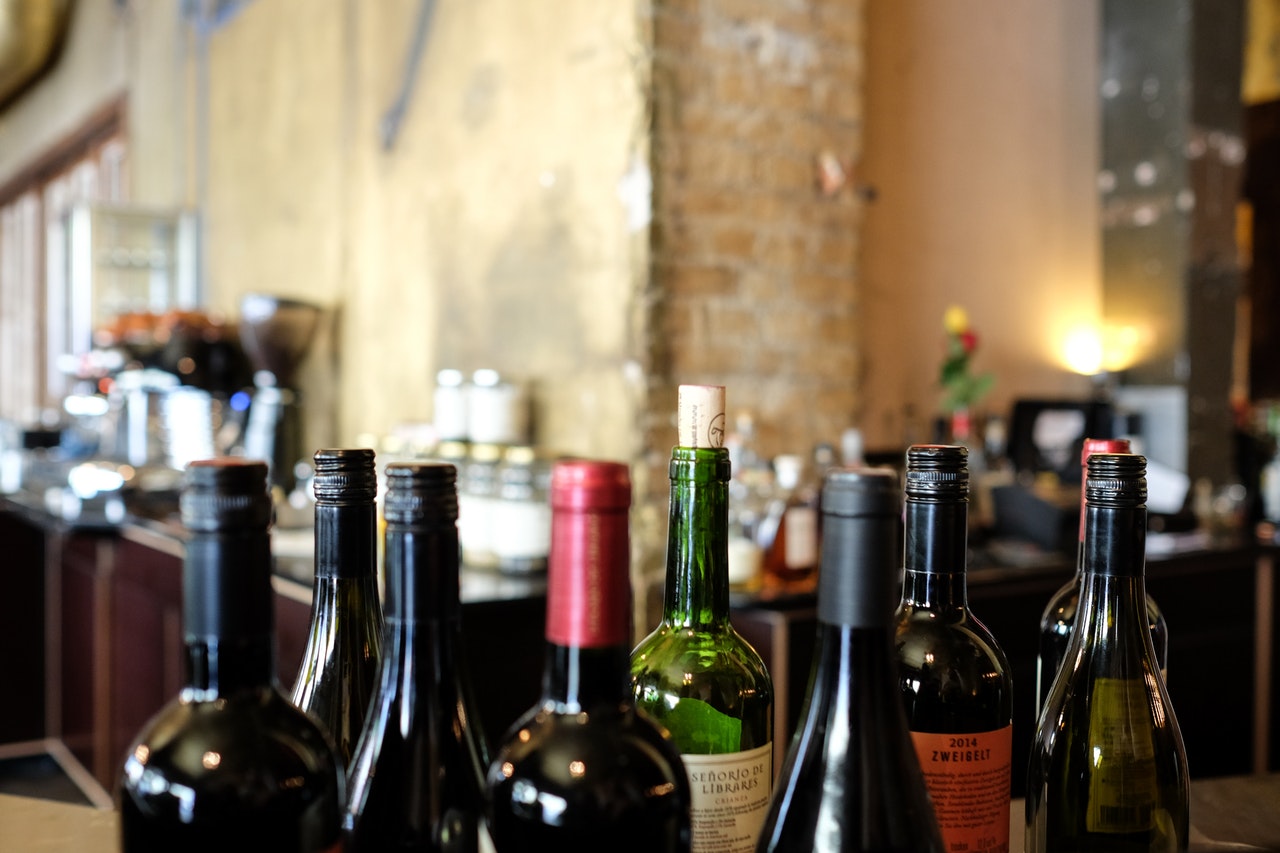
Test your wine knowledge with quiz questions from our expert.
What's the purpose of the punt (the indentation at the bottom of a wine bottle)?
All of the above
All of the above.
The punt has several practical and aesthetic purposes! Historically, it added strength to hand-blown glass bottles and helped collect sediment in older wines. It also makes it easier to pour (especially for sommeliers) and many believe it gives the bottle a more elegant appearance—so yes, let's go with all of the above!
MORE: So, back in the day, when glassblowers made wine bottles, they'd push up the bottom seam to make sure the bottle stood straight and didn't have a sharp bit of glass poking out. But these days? They're mostly just for looks, not really serving any purpose.
Which of the following statements about Nebbiolo is correct?
It is late-ripening and produces wines with high tannin and acidity.
Nebbiolo, the grape behind Barolo and Barbaresco, ripens late and thrives on south-facing slopes in Piedmont. Its wines are pale in color but highly aromatic, with pronounced tannin and acidity, allowing them to age for decades.
What is the primary reason for carrying out malolactic conversion (MLF) in white wines such as Chardonnay?
To soften acidity and add complexity
Malolactic conversion transforms sharp malic acid into softer lactic acid, lowering perceived acidity and creating buttery or creamy notes (diacetyl) in wines like Chardonnay.
Which of the following regions is most strongly influenced by the Mistral wind?
Southern Rhône
The Mistral is a strong, cold, dry wind that blows down the Rhône Valley, particularly affecting the Southern Rhône. It reduces humidity, lowering the risk of fungal disease, but can also damage vines and necessitate the use of windbreaks or training systems. Rioja Alavesa has a continental climate moderated by the Cantabrian Mountains, Barossa Valley is hot Mediterranean in Australia, and Rías Baixas is strongly influenced by Atlantic rain and humidity.
Which of these best describes tannin levels in Pinot Noir?
Medium tannins, red fruit flavors
Pinot Noir is a versatile, medium-bodied wine known for its elegant flavors and smooth texture. It typically features red fruit notes like cherry, raspberry, and strawberry, complemented by hints of earthy undertones or subtle spices. With soft to medium tannins and balanced acidity, Pinot Noir is approachable yet complex, making it a favorite for pairing with a variety of dishes, from roasted chicken to mushroom-based meals.
What does “Reserva” on a Spanish wine label usually indicate?
The wine has been aged longer before release
Reserva wines in Spain are known for their exceptional quality and depth of flavor, achieved through legally required extended aging. These wines must age for a minimum of 3 years, with at least 1 year spent in oak barrels for reds. This aging process allows the wines to develop complex aromas, rich textures, and balanced flavors, making them a favorite among wine enthusiasts who appreciate tradition and craftsmanship.
Which food pairing works best with a high-acid wine like Chablis?
Oysters or shellfish
High-acid wines, such as Sauvignon Blanc or Pinot Grigio, pair beautifully with seafood as their bright, zesty flavors complement the delicate taste of fish and shellfish. They also cut through the richness of creamy sauces or fried dishes, balancing the overall flavors of the meal.
Which grape variety is most associated with New Zealand’s Marlborough region?
Sauvignon Blanc
Marlborough Sauvignon Blanc is world-famous for its zingy acidity and tropical flavors. This wine from New Zealand's South Island is a favorite among Sauvignon Blanc lovers, and it's not hard to see why. The region's cool climate and nutrient-rich soil create the perfect conditions for producing this crisp, refreshing white wine.
True or False: Decanting is mainly used for aerating young wines and separating sediment in older wines.
True
Decanting serves both functions, depending on the wine’s age. For younger wines, decanting helps to aerate the wine, enhancing its flavors and aromas. For older wines, it separates the liquid from any sediment that has developed over time, ensuring a smoother pour.
Fortified wines, such as Sherry, Port, and Madeira, are wines that have had additional alcohol, usually in the form of distilled grape spirit, added during or after fermentation. This process not only increases their alcohol content but also enhances their flavor and shelf life, making them unique from standard wines.