by Morgan Franklin
Bordeaux, the Napa Valley, Montepulciano, the Cape Winelands – there are some corners of the world which are synonymous with wine, Bognor Regis, the Brecon Beacons and Exeter are not usually amongst them. In fact, there are no regions of the UK with a particular global pedigree for wine. But this could soon change... Home-grown sparkling wines have been enjoying an especial surge in popularity in the UK over the past decade, thanks to our warming climate and the chalky limestone soils of many parts of southern England. But it's not just bubbles which are being brewed up on British soil, regions including Surrey, Essex and Kent have been producing some very respectable still wines too. So is it high time that you wrapped your mouth around some fine British wine? We'd argue yes – here ...
by Sippin Somm
Tis the season for wine, who am I kidding...there is never NOT a season suited for wine. There's a wine for every season, occasion, day, hour, minute, etc. However, with warmer weather there are these wine crawls, ahem, I mean wine walks (keep it classy...this is wine after all), that start popping up in downtowns and city centers all over the place. What is a wine walk? In the general sense it is an event, usually held by a chamber of commerce or downtown association, that aims to expose local businesses, by way of fermented grape juice. There are usually different "stations" for wine, food, or sometimes both. Typically very popular, participants visit each station (or business) and, usually in exchange for tasting tickets, receive pours of wine. Events like these help build community a...
by Catherine E. Fallis Master Sommelier-planet Grape
Sauvignon blanc is a green-skinned grape variety which probably originates from the Bordeaux region of France. It is now planted in much of the world’s vineyards. Sauvignon Blanc, is, without a doubt, one of the most versatile of grapes. Sauvignon derives from “sauvage”, or “wild”, and is also the “mother” of Cabernet Sauvignon. In fact, old records list these two as Sauvignon Blanc, and Sauvignon. Sauvignon Blanc’s unique methoxypyrazines (flavor compounds) manifest themselves as grassy, herbaceous, even cat pee like aromas at their most pungent. The riper the grape, the more the flavors move into the melon/tree fruit spectrum. The wines at their best are zesty, zingy, vibrant, though quite often softened with toasty oak. Sauvignon was not considered a great wine until S...
by Sam Brown
Picking out the ideal wines for a wedding, and serving them in the most appropriate ways, is something that shouldn’t be overlooked when planning even a relatively casual celebration. Going in too early with the wrong sort of drink for the setting, for example, can certainly impact on how the rest of the event progresses. That isn’t to suggest that there are dozens of alarming pitfalls to avoid: too many people already fret unduly about getting wine ‘wrong’, when ultimately it all comes down to what you most enjoy and what you want your guests to experience. Besides, at no time should it be more about personal preference than on your own wedding day, right? So let’s be clear here: the wines you pick out are not going to make the difference between a dream day and a nightmare (w...
by Dame Liz Palmer
The Comité Interprofessionnel du Vin de Champagne released its sales and shipment results for the Champagne sector in 2016. Here is the list of the top markets for 2016, along with some findings: • Champagne exports continues to progress, especially outside Europe; • Consumers are diversifying their tastes and turning to rosé and prestige cuvées; • 2016 is the second record year (4.71 billion euros) after 2015 (4.74 billion euros); and • Many countries confirm their status as growth drivers: (+ 9.4% Canada), United States (+ 6.3%), (+12% Mexico), (+ 15.1% in South Africa), (+ 25.4% in New Zealand), and (+ 14.2% in South Korea). Liz Palmer Award Winning Author The Ultimate Guide To Champagne...
by Morgan Franklin
All wines and wine-tasting events – no matter how exclusive, casual or intimate – benefit enormously from being held against a backdrop of great company and sparkling chat. We often get deep into anecdote-swapping sessions about wines and their history over a glass or two; after all, with a history of cultural significance dating back thousands of years, there’s a lot of rich and varied information on the topic to soak up! For starters, here are just a handful of eye-opening wine facts and tales you might like to bring to the next party… 1. In terms of physical acreage, grape vines claim the largest total plantation area of any cultivated fruit crop on the planet (and they’re produced in almost every country of the world). It takes around 4-5 years for newly planted vines to ...
by Nick
Getting a story about your wine brand published in a trade publication is about more than just having a great story. That was the consensus opinion of four wine industry experts – W.R. Tish of Beverage Media Group, David Ransom of The Tasting Panel and The SOMM Journal, Gregg Glaser of Modern Distillery Age, and Felicity Carter of Meininger’s Wine Business International – who recently gathered for a media panel at the 2016 USA Trade Testing Conference. As Tish points out, it’s important to have your media assets ready at any time. That means, for example, if you have a portfolio of 12 products, you also have a portfolio of high-resolution and low-resolution images of these products. It also helps, he says, to personalize your pitch to the specific publication. If you know what t...
by Gavin Koorey
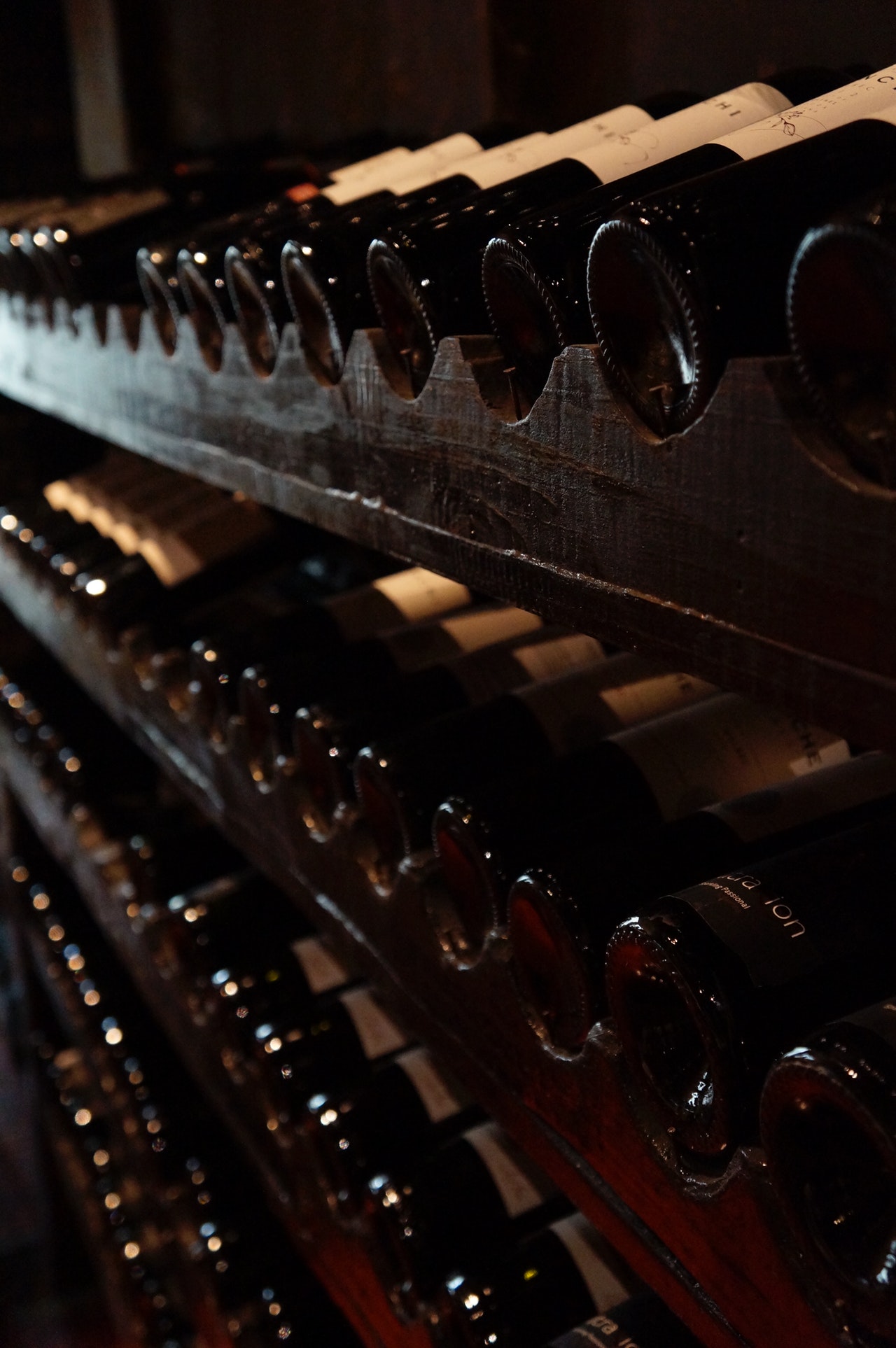
Have you decided to invest in a home wine cellar or to store your wine at an external self-storage facility? If you answered with a yes, you’ve just taken the first step towards organised wine storage. After you have the infrastructure in place and set the accurate temperature and humidity, you should organise your wine collection in a way that facilitates effortless access to the right wine at the right time. To keep your wine cellar organised, we offer some vital tips here below. 1. Set a Coherent Organisation System For categorising your wine, there is no right or wrong style; nonetheless, some alternatives might be more coherent for you than others. Some alternatives to mull over include the following: Colour: For novice wine collectors, organising wine by colour is a good altern...
by Morgan Franklin
We’re always on the hunt for that unique bottle to take along to a dinner party as a real conversation-starter for enthusiast friends. But show up with any of these under your arm, and you might not be getting many more invitations in future...or making many more friends, for that matter. Birch sap wine By tapping a mature silver birch tree during a very narrow window in early Spring – just a couple of weeks in the middle of March, so blink and you’ll miss it – it’s possible to extract a good amount of birch sap, which foragers around the world will tell you has many different culinary uses. Among the most common is as a base for making syrups, although it needs a good deal of sweetening; the largely water-based sap contains very little by way of natural sugar, and tastes fain...
by Ron Kapon
The Cantina Santa Maria La Palma is an Agricultural Cooperative Corporation, based in Santa Maria La Palma, near the town of Alghero in Sardinia. There are more than 1,700 acres of vineyard with about 300 members, each of which has its own farm where they grow and harvest their grapes and then give it to the cellar, where they are processed. The idea of the Underwater Cellar originates from the desire to create a special product that enhances the territory in which it was born: the Regional Natural Park of Porto Conte, a beautiful regional park surrounding the city of Alghero. The idea was to produce a wine made from the Vermentino grapes in the soils of the Regional Natural Park, facing the sea, to be left to age in a special cellar underwater, deposited on the bottom of the water...